Last Updated: March 11, 2026
Every time Google rolls out a core update, there’s a wave of anxiety across the marketing world. Forums fill with reports of ranking drops. Agency phones ring. Marketing managers pull up Search Console and hold their breath.
If you’ve been investing in SEO and have achieved decent visibility, algorithm updates are one of your most legitimate concerns. Here’s an honest, grounded perspective on how to think about them and what they mean for companies that are already doing things right.
Getting SEO budget approved internally is one of the most underrated challenges marketing managers face. Here’s a practical guide to making the case, while using language that resonates with leadership.
What Core Updates Actually Target
Google rolls out hundreds of small tweaks to its algorithm throughout the year. A “core update” is different because it’s a broader reassessment of how the search engine evaluates content quality and relevance across the entire web.
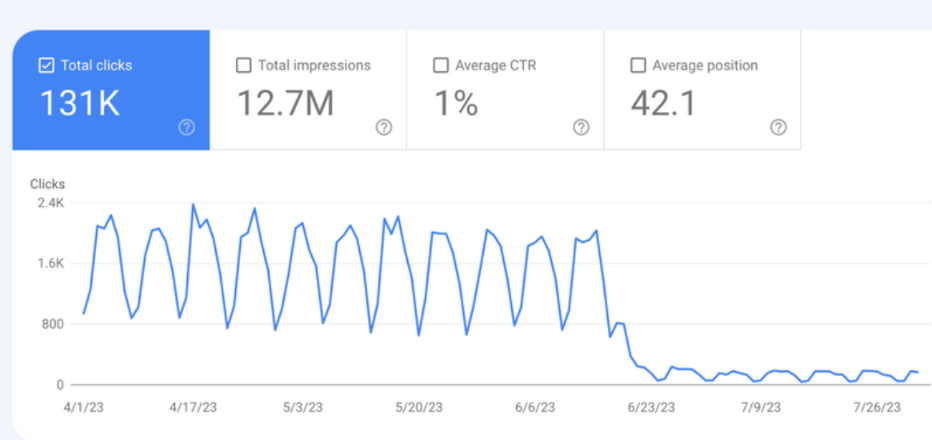
When Google releases a core update, it is essentially recalibrating its understanding of which pages best serve users for a given query. Some sites rise. Some fall. The sites that fall most dramatically are typically those that were benefiting from tactics that gamed the system, like thin content, manipulative links, and poor user experience, rather than genuinely earning their rankings.
Sites built on genuine authority, comprehensive content, and clean technical health are much less vulnerable to core updates. In fact, they often benefit from the updates, as their competitors who relied on shortcuts get reassessed.
What to Protect When an Update Hits
If you notice a ranking movement after a core update, the first thing to do is resist the urge to make immediate reactive changes; Google explicitly advises against this. Rankings can shift and re-settle in the weeks following an update as the algorithm fully rolls out.
Instead, conduct a measured audit. Look at which pages dropped and which held steady or improved. The pages that held are your benchmark, and they represent what Google currently rewards in your niche. The pages that dropped are your diagnostic opportunity.
Key questions to ask: Did the content drop coincide with a competitor rising? What does their content do better? Are there User Experience signals on those pages that could be improved? Has any external factor changed, such as links pointing to those pages acquired or lost?
What to Improve After a Core Update
Google has been fairly transparent that core updates reward E-E-A-T: Experience, Expertise, Authoritativeness, and Trustworthiness. If your rankings dipped, the answer is nearly always found in one of these four pillars.
Practically, this means: improving the depth and quality of content on affected pages, ensuring your site demonstrates clear authorship and credentials, building or reinforcing the quality of backlinks pointing to those pages, and addressing any technical or user experience issues that might signal low quality to Google’s systems.
The Long-Term Perspective: Updates Reward the Right Approach
Here’s the uncomfortable reality that many in the SEO industry don’t say loudly enough: if your rankings are highly vulnerable to core updates, it’s a signal that your strategy has been leaning on tactics rather than fundamentals.
Companies that invest in real content quality and clean technical SEO over a multi-year horizon don’t fear algorithm updates. They tend to benefit from them, because every update is Google getting better at rewarding the genuine authority and trust signals they’ve already built.
This is one of the strongest arguments for a long-term, retainer-based SEO relationship with a partner who builds your strategy on fundamentals rather than shortcuts, thus improving the technical health of your website.
Algorithm updates are not random. They consistently punish shortcuts and reward genuine authority. The best protection against any future update is doing the right work today.